

AI has transformed native content creation – and the numbers prove it. In today’s digital marketing landscape, traffic from generative AI to U.S. retail sites increased 3,300% year over year.
What is native advertising?
Native advertising is evolving – it’s no longer just about blending into a platform’s look and feel. Smart content now adapts across both traditional search and AI-powered discovery channels.
With most marketers (98%) using AI tools for various tasks, the shift toward AI-native methods is undeniable. This article explores how AI is reshaping native content creation and distribution, with examples from top brands and actionable steps you can apply.
Marketers want to cut back on repetitive work and focus on results. Here, you’ll see how AI can help you work smarter, speed up processes, and boost native content performance in 2025, while strengthening brand awareness through more authentic engagement.
Why AI is Changing the Game for Native Content
Image Source: Elatre
AI has revolutionized native advertising – being described as “the biggest thing since Johannes Gutenberg’s 15th century movable type printing press.” What was previously a time-consuming and labor-intensive process, is now enhanced with speed and precision.
From traditional SEO to AI-powered discovery
The transition from traditional SEO to AI-powered discovery shows a major change in how users are finding content.
Marketers’ main focus was on keywords and backlinks. Modern AI algorithms now put more weight on understanding context and what users want. Google’s sophisticated systems like BERT and MUM analyze the actual meaning behind content instead of just matching keywords.
Brands today must focus on creating organic content revolving around what their audience cares about – written in a way that’s optimized for both search engines and social media platforms.
What is native marketing in 2025?
Native advertising in 2025 has evolved into an essential element of marketing strategies.
Unlike old-school advertorial formats, it blends branded content naturally and editorial content without interruption.
It now covers AI-driven hyper-personalized experiences that adapt to individual needs, preferences, and contexts. For example, placing a hotel promotion in a travel blog is a modern form of digital product placement that feels organic and valuable to readers.
The most effective native content doesn’t just match its surroundings visually—it delivers real value through AI-improved relevance. Users show 18% higher purchase intent and 9% increased brand connection compared to traditional digital advertising methods.
How AI understands and ranks content differently
In 2025, AI ranking systems have become more advanced – looking at many factors to determine topic relevance and authority. They are looking at topic relevance, originality, completeness, and fresh information. They also check expertise through credible sources, author credentials, and citation patterns.
Google’s Neural Matching links concepts behind words to relevant content, even without exact term matches. This allows search engines to understand the intent behind queries and deliver more accurate results.
Search is now multimodal, combining text, images, video, voice, and interactive parts. This gives tech brands new ways to show their solutions through different types of media.
The outcome? Native content looks authentic, helps users, stays relevant, and thrives in an AI-first discovery landscape.
Top 5 Ways AI Improves Native Content Performance
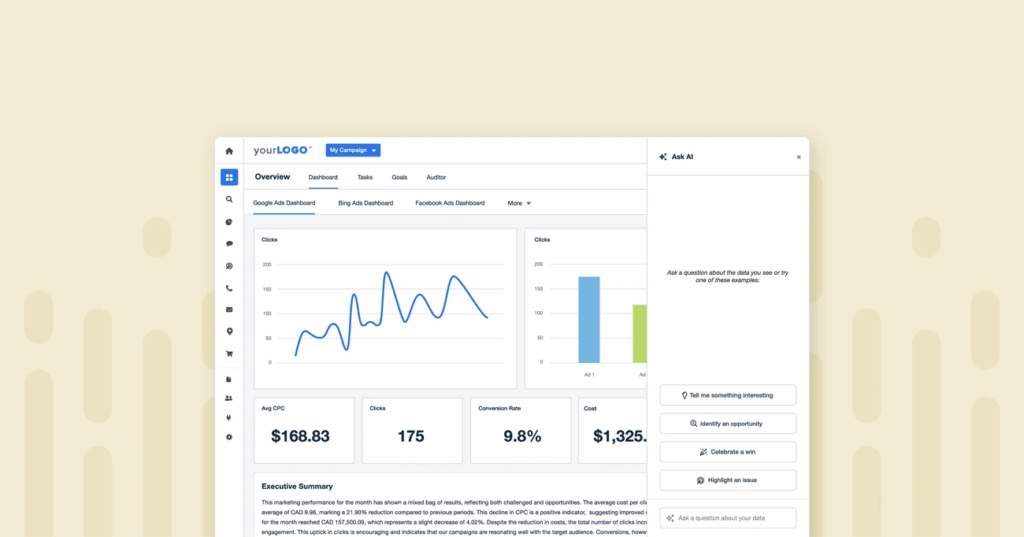
Image Source: AgencyAnalytics
AI’s effect on native content goes way beyond traditional advertising techniques, reshaping how brands test, optimize, and personalize at scale.
Why is native content important? Here’s how AI tools improve native content performance by a lot in several ways.
1. Smarter content targeting and personalization
AI analyzes billions of data points to create tailored experiences for specific user segments. Machine learning models group users into predictive clusters—such as returning versus first-time visitors—and adapt headlines, CTAs, and tone automatically instead of manual rewrites for each persona.
This personalization increases participation since 71% of consumers now expect tailored interactions, and 76% feel frustrated when they don’t get them.
2. Live content optimization
Teams no longer wait weeks to measure content success.
AI-powered dashboards show key performance indicators instantly while processing fresh data from search engines, user interactions, and site analytics. These systems don’t just diagnose—they prescribe solutions. They suggest rewrites for underperforming content and recommend structured data to improve search snippets.
3. Automated A/B testing and performance feedback
AI simplifies testing through automated traffic splitting, data collection, statistical analysis, and reporting. Teams can run multiple tests at once and focus on strategic interpretation rather than technical details. Live results help marketers act on metrics before tests finish, and they share early findings with stakeholders during the testing process.
4. Improved user participation through dynamic content
Dynamic content creation personalizes the user’s experiences by adapting to each viewer instantly based on their browsing history and purchase behavior to create relevant experiences. AI-generated variations reflect the user’s current session, with split-second content decisions staying relevant in ever-changing digital environments.
This effective approach promotes longer user engagement through content that matches their interests, making them less likely to leave and more likely to explore further.
5. Better integration with AI-driven platforms like ChatGPT
Direct integration with AI platforms creates smooth experiences that use contextual understanding. Canva became the first design platform to integrate with ChatGPT, letting users search, summarize, and find content from their designs within the AI assistant. These integrations make content part of the thinking process rather than a separate step, which makes design “context-aware, fast, and available right where you’re working.”
What does this mean?
Your teams can work smarter, not harder. With AI delivering the right content to you exactly when it’s needed and integrating content directly into your workflow, your work will be cut down and decision-making will be sped up – while remaining aligned with your goals.
In the end, this approach works better because content becomes a helpful partner, not just something you reference after the fact.
Real Results: Native Content Examples from Leading Brands
Image Source: SmartyAds
Major brands are getting amazing results with AI-powered native content.These real-life examples and marketing campaigns show how an AI native ad can boost engagement, create customized experiences, and improve conversion rates.
1. The Home Depot’s AI-powered mood board with Apartment Therapy
Apartment Therapy Media built an innovative AI Mood Board Generator for The Home Depot that solved a common reader problem—finding their interior style priorities. The tool uses conversational AI and suggests curated home decor items from The Home Depot’s inventory. The campaign ended up achieving a remarkable 140% engagement rate and helped position The Home Depot as a stylish destination for home furnishings.
2. Samsung’s Olympic campaign with Tportal
Samsung worked with Tportal to create an AI-powered Olympic campaign in Croatia. The campaign taught audiences about Olympic history while showcasing Samsung’s technology. Users designed Olympic-inspired tributes using Samsung Galaxy AI as part of a creative contest. The results were impressive: 75,000+ article views (66% above target) and 139 contest submissions (74% above goal).
3. Campbell’s AI meal planner on Allrecipes
Campbell created “Dinner Inspirations,” an AI-powered Recipe Assistant on Allrecipes that creates meal ideas based on what users like. The tool got 80K+ page views with 570%+ above measure in time spent.
AI expert Marva Bailer said this use of AI, “bridges tradition and technology to inspire the next era of home cooking.”
This kind of embedded marketing shows how promotional content can solve user problems while feeling like part of the experience.
4. Levi’s Cowboy Core campaign with ELLE Sweden
Campaigns like Levi’s Cowboy Core didn’t just drive engagement – they also strengthened brand perception by connecting authentically with their target audience.
Levi’s worked with ELLE Sweden to reach trend-conscious women aged 25-30. The team used AI to create missing fashion items and styling elements when faced with creative limits.
Their multi-platform campaign achieved +20% unique page views on ELLE.se and +78% over-performance on social media impressions.
5. LOCALiQ’s AI-native content for small businesses
LOCALiQ turned their internal AI tools into an expandable content engine for small businesses on 200+ UK news sites. They have produced 100+ AI-assisted sponsored content articles since December 2024 and earned nearly £8,000 in early revenue. The content performed as well as traditional editorial pieces in metrics like time-on-page and click-through rates.
How to Integrate AI into Your Native Content Strategy
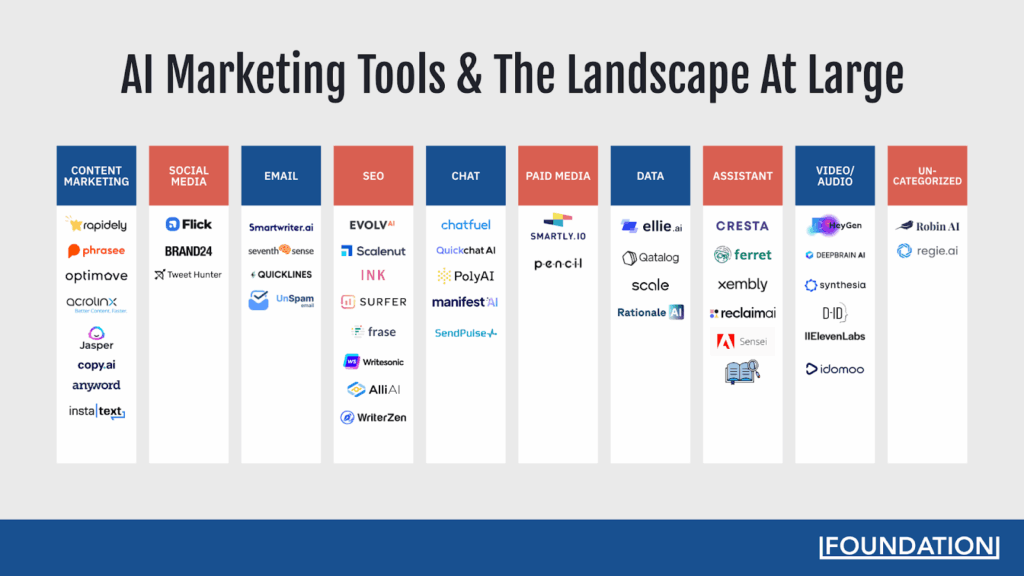
Image Source: Foundation Marketing
Your AI native advertising strategy needs a systematic approach to work well. This includes building a content distribution strategy that ensures your branded assets reach the right audience across multiple discovery channels.
Start by getting a full picture of your existing content processes. Map out manual steps, bottlenecks, and areas where automation could help. For example, an AI-assisted native article can adjust headlines, CTAs, and layouts in real time to match user intent while keeping the editorial tone intact.
This exercise shows how your team works in reality, not just what old SOPs say.
Audit your current content workflows
Perform a full AI audit on your workflows. Get into your content publishing pipeline and spot repetitive tasks that eat up time. Map out how departments and tools depend on each other to create a baseline you can improve from.
This will give you insight on what your team does best, and where AI can step in.
This will also guide your decision on choosing the right AI tools to free up time for the content producer on your team.
Choose AI tools that align with your goals
There are several benefits to using AI tools for content creation – saves you time and money, increased efficiency, scalability, and more. Pick AI solutions that match what you need—whether you write articles, optimize SEO, or personalize content.
Tools like Gumloop can optimize workflows while Surfer SEO helps with content optimization.
Jasper.ai is a great tool for copywriting – excelling at natural language processing whether you’re writing blog posts, product descriptions, or landing page copy.
AI tools should also complement your overall marketing communications strategy, ensuring consistent messaging across content, ads, and customer interactions.
Blend human creativity with AI efficiency
Don’t forget that AI is your partner, not a replacement.
Let AI handle routine tasks while humans focus on storytelling and strategic decisions – allowing your team to do what they do best, leaving the rest for AI.
Train your team to work with and integrate AI into their daily retain, while retaining all creative control. Teams that take this balanced path see 40% higher employee retention rates.
Set up feedback loops for continuous improvement
Establish robust monitoring systems that track how your AI models perform with native content and customer interactions.
These feedback mechanisms should collect, analyze, and channel performance data back into your algorithms. As more customer engagement data flows through these loops, your AI becomes increasingly refined and accurate.
Implement specific metrics like response accuracy, resolution time, and customer satisfaction scores to measure effectiveness. This evidence-based approach ensures your AI systems evolve and improve continuously through real-world usage.
Ensure ethical use and transparency
Being upfront about AI involvement and clear with advertising disclosure helps audiences trust branded messages rather than feel misled.
Tell your audience when AI helps create content – this will further build your customer’s trust and loyalty.
65% of CX leaders see AI as strategic, but 75% believe hiding AI use could drive customers away. Ethics matter for business success.
Need help making your AI-native content strategy work better? LRBrained offers specialized help that fits your industry’s needs.
Conclusion
AI has changed native advertising completely. It has turned a manual, time-consuming process into an efficient content marketing strategy. This piece shows how AI helps find content better than traditional SEO methods – favoring clear context rather than just match keywords.
The data tells a clear story. ChatGPT has driven a 36x increase in traffic to ecommerce sites. About 42% of marketers use AI tools multiple times each week. This shows the move to AI-native methods isn’t just temporary. The difference between search engine results and LLM choices proves why you need to update your strategy now.
Brand success stories paint an even clearer picture. From The Home Depot receiving a 140% engagement rate with their AI Mood Board Generator to Campbell’s Recipe Assistant retaining users on the site 570% longer than usual – these results show how AI directly improves campaign results.
Setting up AI tools might look challenging at first. But this piece gives you a step-by-step path to follow. You should check your current process first. Then pick AI tools that match your goals. Make sure to balance machine efficiency with human creativity. Being open about using AI builds customer trust naturally.
Brands that combine AI power with human expertise will lead the future of native content marketing. Companies mastering this mix will save time and money. They’ll also create better content that strikes a chord with people on both search engines and social media marketing channels.
Start using these strategies in your marketing plan today. Track your results and create feedback loops to keep getting better. AI-driven native content works well from the start, but its real power lies in learning and improving over time.
FAQs
Q1. How does AI help with native content advertising?
AI makes native content better. It allows smarter targeting, adjusts things in real time, automates testing, personalizes content, and fits better with AI platforms. This creates more effective and interesting content that matches specific audiences.
Q2. Can you share examples of successful native ads powered by AI?
The Home Depot worked with Apartment Therapy to make the AI Mood Board Generator boosting engagement by 140 percent. Campbell’s used AI meal planning on Allrecipes and saw people spending 570 percent more time than average. Levi’s teamed up with ELLE Sweden for the Cowboy Core campaign and got 78 percent more social impressions than expected.
Q3. How can brands use AI in their native content strategy?
Brands need to review existing workflows to make AI work well, pick tools that match their goals, combine AI’s speed with human creativity, create a system to improve over time, and make sure they use AI and .
Q4. What makes AI-generated content better than traditional methods?
AI-created content has benefits like scaling personalization, saving time by creating content faster, adapting in real time using performance data, and shaping content to fit what each user wants or does.
Q5. Is native audio still important in language learning apps despite AI advancements?
Yes native audio still matters a lot for new learners. Even though AI and text-to-speech tools have gotten better, they often miss the small details like tone, rhythm, and natural speech flow that are key to learning real language skills. Plenty of people like using native audio to get a more true-to-life experience when learning.