



A social media audit in 60 minutes is essential to know if your social media strategy is really working.This type of audit shows what’s performing well, highlights areas that need improvement, and helps you align your efforts with business goals.
Your social accounts need regular checkups. Most people can’t recall their last complete review. A social media audit examines a brand’s presence on social platforms. This process measures performance by gathering and analyzing account data from every platform.
The audit gives an explanation of your curren strategy’s strengths and weaknesses. It points out areas that need work to line up your strategy with business goals. You’ll need to collect data, analyze metrics and identify your best posts and channels.
Regular audits keep your social media presence healthy. Start with quarterly reviews, but you can adjust the frequency based on your company ‘s needs. Note that social media audits should happen regularly.
This piece will guide you through a complete social media audit that takes just 60 minutes using our free template. You’ll find your strong points, see where you can improve, and set yourself up to win on social media.
What is a Social Media Audit and Why It Matters
Definition and purpose
A social media audit helps brands assess their performance on social platforms. This structured review goes beyond counting followers. It gives you a complete picture of your accounts and shows how well they perform.
Picture it as a health check for your online presence. You collect and analyze data to understand what drives engagement, how your audience changes, and where your strategy needs tweaks. The process shows which posts, formats, and messages get the most engagement and highlights platforms that need improvement.
A social media audit helps you see if your social media efforts line up with your business goals – like building brands awareness, boosting engagement, increasing traffic, or getting more conversions. You’ll get a clear view of your strengths, weaknesses, and opportunities to build a smarter social strategy.
How often should you run one?
Your business goals and social media presence determine how often you should run audits. Different companies have their own views on the best timing.
Experts suggest completing a social media audit every quarter, with quick monthly reviews during major campaigns or growth periods. This schedule works well—it catches new trends quickly but leaves enough time to spot meaningful patterns in your data.
Companies with large social media presence might need one to two weeks to finish a detailed audit. A quick audit using a template and basic metrics takes only one to two days.
Regular checks help track performance and adjust tactics based on up-to-the-minute data analysis. The more you audit, the easier it becomes to spot patterns, measure growth, and meet your audience’s expectations.
Benefits for your marketing strategy
A good social media audit offers several advantages to your marketing efforts:
- Performance Optimization: You ‘ll find which content and platforms create the most engagement. This helps you focus on what works and stop what doesn’t.
Resource allocation: Many brands try to be active on too many platforms without a clear reason. An audit helps you choose the right platforms that matter most.
Audience insights: Learning about your audience’s demographics and priorities helps create content they care about.
Competitive benchmarking: The audit compares your results with other brands, which helps position your brand better in your industry.
Goal alignment: Your social media efforts will support your business goals instead of existing alone.
The social media audit reveals missed opportunities for leads and conversions. It shows new markets and target audiences you might have missed. These insights are the foundations of future growth strategies.
Social media marketing matters more than ever. 54% of users look up products and services on social platforms, and there is a total of 5.42 billion users on social media worldwide.
Brands need well-managed social accounts to succeed. This is why a regular social media audit is required for success. So, how do you properly audit social media? We ‘ll get into that now.
Step 1: Conduct a Social Media Audit of All Your Accounts
A complete inventory of your digital footprint kicks off any good social media audit. You need more than just your main accounts to get the full picture of your branch’s online presence.
Make a list of all social media accounts linked to your brand. This means the ones you use daily and those gathering digital dust. Facebook, Instagram, LinkedIn, and Twitter are obvious starting points. Don’t forget that YouTube channel with just two subscribers or the Pinterest board that’s been quiet for three years. These dormant accounts still show up as part of your brand online.
Before diving into your media audit, search major platforms for your brand and product names. This helps you track down old profiles that popped up randomly instead of through planning. Write down each platform’s URL, handle, follower count, and engagement metrics. These numbers will give you a baseline view of your social landscape.
Your accounts fall into these groups:
- Active accounts: Customer-facing profiles you update regularly
- Inactive accounts: Profiles with little or no recent activity
- Experimental accounts: Platforms you tried but didn’t fully develop
Take time to look at platforms you haven’t tried yet. While you don’t need to be everywhere, this audit lets you review whether new platforms fit your strategy.
Check for unauthorized or duplicate accounts
Searching for your brand name across platforms serves another vital purpose. You might find unauthorized or fake accounts. Many businesses are shocked to see their brand names show up on dozens or hundreds of web pages without their knowledge.
Fake accounts are a serious problem. Cybercriminals create fraudulent profiles to trick customers into buying fake products or sharing private information. Old abandoned accounts can hurt your reputation when customers’ messages go unanswered.
Pick one person or team to “own” each real account. This keeps everything consistent and secure. The owner must keep profiles updated, on-brand, and protected.
A well-laid-out template makes auditing much easier. It gives you a framework to collect and analyze data from all platforms in one place.
Templates are great because they:
- Organization: Keep all profile details in one spot
- Efficiency: Beat starting from scratch
- Consistency: Help you review your social presence the same way each time
Next, list which accounts need attention right away, which can wait, and which you should probably shut down. Don’t forget to flag any fake accounts that need investigation or reporting.
A detailed record of your social media presence sets up the foundation for your next audit steps. This ensures you catch everything as you review your social media strategy and results.
Step 2: Review Branding and Consistency During Your Social Media Audit

Your social media inventory is ready. Now let’s get into how your brand shows up on different platforms. Regular social media audits help catch any inconsistencies that might make your brand look disorganized.”
Check bios, profile images, and URLs
Start with the visual elements on your profiles. Your profile and cover images need to match your current branding and fit each platform’s size requirements. Your username or handle should be the same everywhere. This makes it easier for people to find you and keeps things consistent.
Make sure all bio fields have accurate information that lines up with your brand guidelines. Double-check that all profile URLs take users to the right landing pages or websites. These small details can really affect how professional your brand looks to users.
Ensure tone and messaging match your brand identity
Your brand voice needs to stay consistent everywhere. People should recognize your content’s unique personality before they even see who posted it. Therefore, create a style guide that spells out the right tone, common vocabulary, and brand phrases. This helps anyone creating content for you – whether in-house team members or influencers – stay on message.
Regular social media audits help catch any inconsistencies that might make your brand look disorganized. Of course, your messaging should reflect your organization’s core values and philosophy—authenticity is vital here. Consistent brand messaging creates instant recognition and strengthens your unique identity.
Verify contact info and pinned posts
Take time to verify all your contact information—email addresses, phone numbers, and physical locations are up to date. Wrong contact details can frustrate potential customers who try to reach you and hurt your credibility.
Look at any pinned posts on your profiles too. These should be current, relevant, and strategic. They need to highlight your latest offerings or important information. Finding holiday promotions in mid-March sends a clear signal that nobody’s watching the store.
Getting verification badges for your accounts can improve credibility. These badges help users spot your official accounts from fake ones. This extra security is especially valuable if your brand faces a high risk of impersonation.
Step 3: Analyze Metrics in Your Social Media Audit
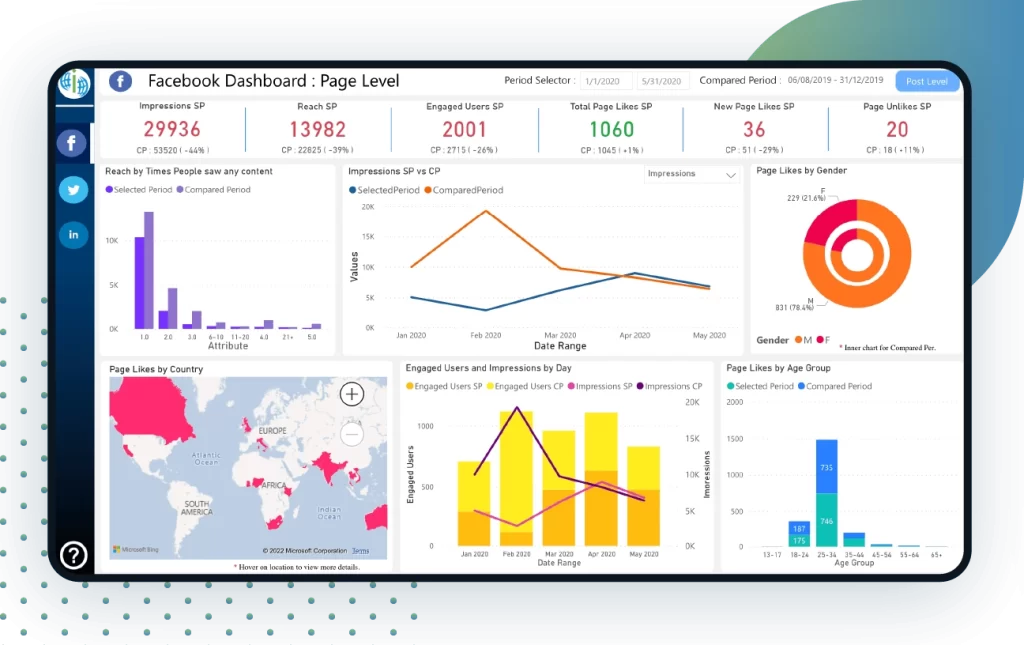
Let’s take a closer look at the numbers behind your social media presence after checking your profile consistency. Performance metrics show if your content marketing efforts are striking a chord with your audience and which strategies produce results.
Engagement, reach, and audience growth
Your audience’s active interaction with your content shows up in engagement metrics. The core team tracks these metrics:
- Engagement rate: Divide total engagement (links, comments, shares) by your follower count, then multiply by 100 to get a percentage. This shows how well your content connects with your audience.
- Comments: These carry more weight than likes – they show someone took time to participate instead of just showing of just scrolling past.
- Shares: People who share your content give your brand a stamp of approval to their networks.
Reach counts unique viewers who saw your content, while impressions track total views (including repeat views). Instagram has an average reach rate of 3.50% in 2025, which doubles Facebook’s 1.20%. You can calculate reach rate by dividing total reach by follower count and multiplying by 100.
Your follower growth shows how your audience expands over time. The growth rate calculation involves dividing new followers by your starting count, then multiplying by 100. This number reveals if your content strategy brings in new audience members effectively.
Identify top-performing posts
Your analytics reveal which posts created the highest engagement. Understanding why certain social media content works better requires looking beyond simple metrics. A systematic approach to tracking content helps establish patterns and improve your strategy.
Export your data into Google or Excel spreadsheets regularly to spot patterns across time periods more easily. This practice helps you identify trends, anomalies, and seasonal changes in performance.
Compare content types: video, Image, text
All social media platforms have different responses to various content formats. In fact, visual posts get more engagement than text-only content consistently.
Short-form videos lead the pack—21% of social media marketers say they have the highest ROI of all content formats. LinkedIn posts with images receive 98% more comments, while tweets with visual elements generate three times more engagement.
Live video performs better than standard video content. About 80% of people prefer watching live brand videos to reading blog posts. User-generated content (UGC) delivers impressive results too, with social media ads featuring UGC getting 4X more click-throughs.
Your content creation mix improves when you analyze which types work best for your audience. This knowledge helps you focus resources on formats that deliver the strongest results.
Step 4: Understand Your Audience and Goals Through a Social Media Audit
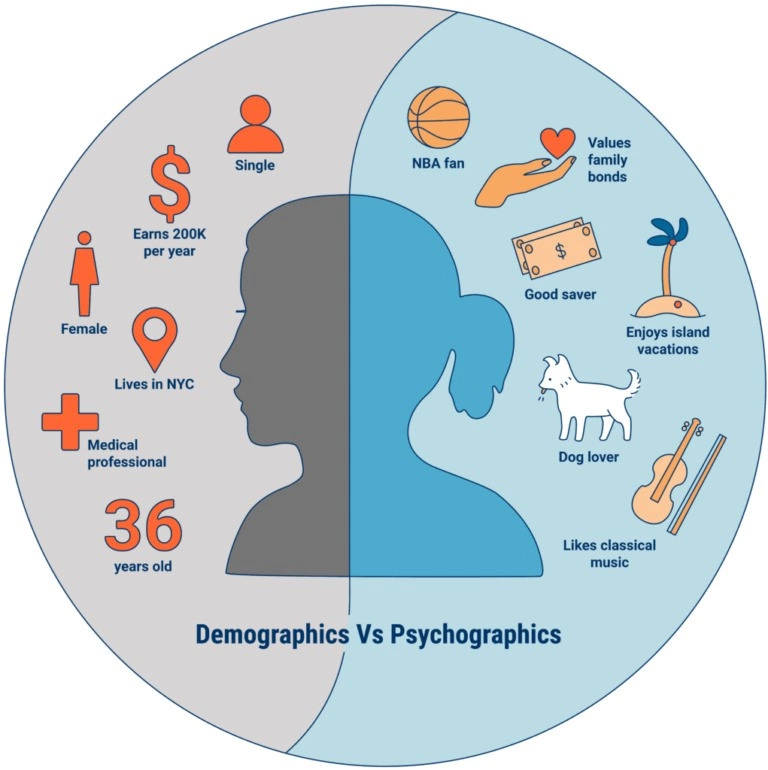
Performing regular social media audits can reflect user behavior data – revealing how people interact with your website, social media, and email campaigns.
Review demographic data by platform
Social platforms attract different audience segments. Facebook users represent the most diverse audience demographically, with the largest age group being 25-34 (31.1%). TikTok users dedicate about 47 minutes daily to the platform. Instagram’s popularity among younger users continues with 60% under age 35.
Each platform serves a unique purpose. LinkedIn helps build expertise and generate leads, while TikTok runs on short-form, interactive content.
Match content to audience priorities
Demographics tell only part of the story. Psychographic data shows values, attitudes, and lifestyles that shape how people connect with your content. This knowledge helps you create content that lines up with your audience preferences.
Recent findings show 66% of social users find “edutainment” (content that educates and entertains) most engaging. Performing regular a social media audit can reflect user behavior data – which reveals how people interact with your website, social media, and email campaigns.
Set SMART goals for each channel
Each platform needs its own social media goals because user behaviors differ across channels. To name just one example, see:
- TikTOk: Prioritize engagement and virality metrics
- Instragram: Focus on brand affinity through storytelling
- LinkedIn: Build expertise positioning
Conclusion
Goals that work connect to broader business objectives and follow the SMART framework—specific, measurable, achievable, relevant, and time-bound. Clear targets beat vague ones. “Increase Instagram followers by 15% over the next quarter” works better than “gain more followers.”
Social media audits work like health checks for your digital presence. This piece shows you how to assess your social media strategy in just one hour. You can optimize your strategy in four simple steps – list your accounts, check brand consistency, analyze metrics, and study audience behaviors.
Your social media strategy becomes stronger with regular social media audits. A quarterly review helps you track progress and spot new trends. You can adjust your approach based on real social media performance analysis instead of guesswork. The process might look challenging initially, but our free template makes it easy even when time is tight.
Evidence-based decisions create social media success. Your audit results show which content your audience loves, which platforms need more focus, and where you get the best returns. These findings help arrange your social efforts with your business goals and optimize your impact on every channel.
Take the first step. Use the template and complete your 60-minute social media audit today. Each review improves on the previous one. This creates an ongoing cycle that keeps your social media fresh and relevant. A well-laid-out approach turns random social media activities into a unified strategy that delivers real results for your brand.
Key Takeways
A social media audit is your strategic compass for digital success, revealing what’s working and where to optimize across all platforms in just 60 minutes.
- Conduct quarterly audits to maintain social media health and catch emerging trends before they impact performance
- Inventory all accounts including forgotten profiles and check for unauthorized duplicates that could damage your brand reputation
- Ensure brand consistency across bios, images, and messaging to build recognition and trust with your audience
- Analyze performance indicators to identify top-performing content types and focus resources on formats that drive results
- Set SMART goals for each platform based on audience demographics and behaviors rather than vanity metrics
Regular social media audits transform scattered social efforts into cohesive strategies that align with business objectives. Use the systematic four-step process to optimize your digital presence and maximize ROI across all channels.